

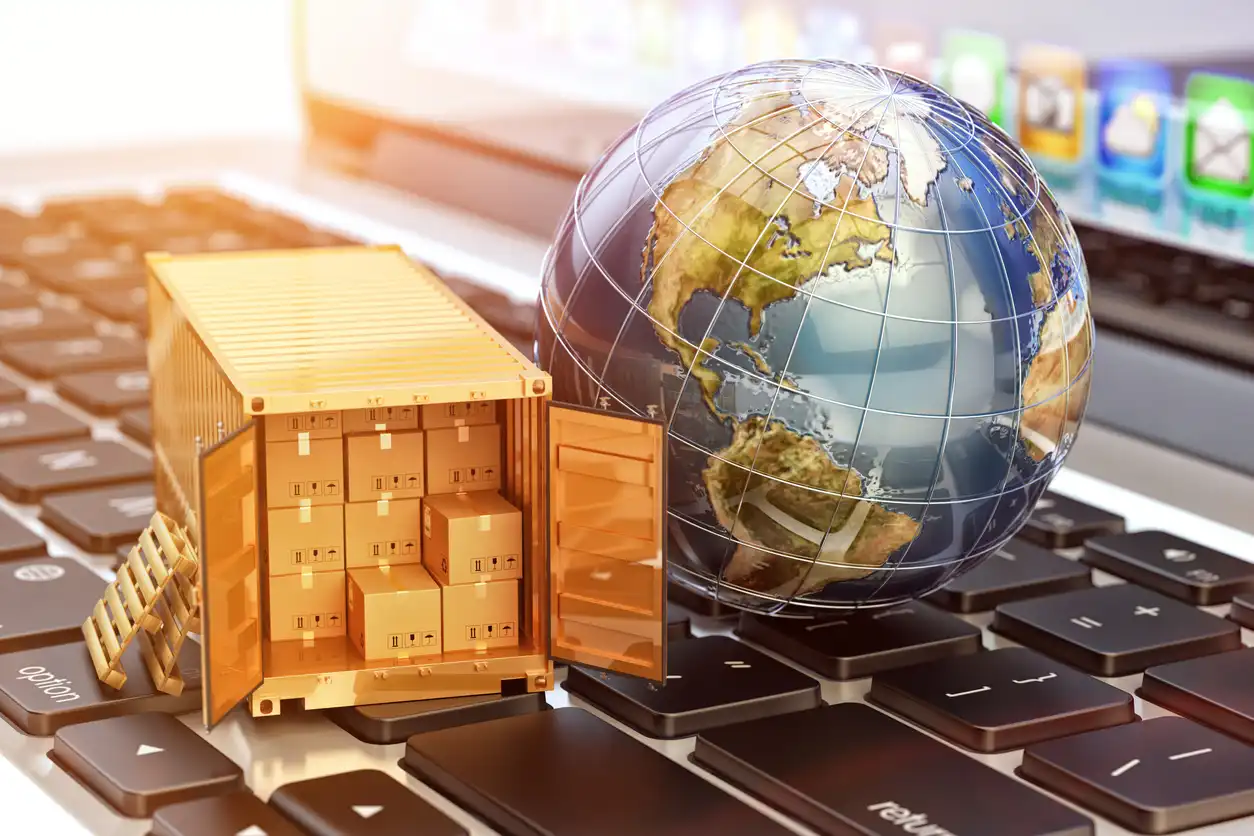

What is Dropshipping? What’s Its Use in 2026?
Dropshipping is a way to eliminate logistics and storage, reducing warehouse pressure. After choosing dropshipping, stores can directly purchase through a third-party platform, which then processes the orders and ships them to users, essentially acting as an intermediary. This simplifies most of the transaction process, making it a popular choice for small and medium-sized sellers.
Dropshipping Model Fulfillment:
Dropshipping distributes a high-cost burden between two parties: small and medium-sized sellers and dropshipping merchants who store goods. This means small and medium-sized sellers don’t need to worry about logistics; they only need to focus on selling their goods, dedicating most of their time to retail channels and product development. This allows entrepreneurs to concentrate more on brand development and sales, without the need to invest in storage facilities or bear operational risks.
The dropshipping provider is responsible for order fulfillment, successfully delivering goods to customers. They entrust the goods to professional third-party storage and order packaging, ensuring each step is managed by professionals. This allows for efficient business operations, and customers receive their desired goods.
Disadvantages of Dropshipping
**Intense Competition:** Anyone with a network and product suppliers can use dropshipping, which is completely different from traditional retail. It requires minimal investment in product development, warehousing, and other costs, allowing anyone to enter the industry and compete.
**Reduced Profits:** When using dropshipping, your product prices cannot be calculated at wholesale prices. Coupled with the intense market competition mentioned earlier, most of the cost goes to products and advertising, potentially reducing profit margins to less than 20%.
**Longer Shipping Times:** While other brands can ship products within the same country but to different regions, dropshipping requires shipping from China, increasing shipping time compared to competitors. This may not be suitable for customers with high time sensitivity.
**Supplier Issues:** Dropshipping can be outsourced to third-party platforms for logistics. However, when order problems arise, outsourcing cannot effectively explain the source of the problem or assign responsibility. Unreasonable third-party platforms can lead to significant losses. As the customer’s contact person, you also need to resolve customer issues and pinpoint the source of the problem.
How to Use Dropshipping Correctly?
Dropshipping isn’t as simple as it seems. The following suggestions will help you use it effectively:
Market Research: Since you’ve chosen dropshipping, you can get involved in any field at any time. Therefore, you need to closely observe real-time news and market dynamics. Identify which products will become bestsellers, which clothes will be popular this season, and find the right products by addressing these questions. This ensures you don’t invest too much time or money in customer acquisition or advertising.
When you discover a new product, don’t worry too much about investing too much. Dropshipping helps you take this step, testing whether the new product is popular, whether customers like it, and whether it’s profitable.
Quality First: In many dropshipping models, as long as your product quality is good enough, you’ll already be above 90% of the industry standard. You can maintain product quality by regularly checking with the supplier’s warehouse. When customers are very satisfied with your product packaging and quality, the repurchase rate will be high because finding a reliable store requires multiple rounds of screening.
How to Choose Your Dropshipping Supplier?
Don’t just look for the cheapest source; instead, find a supply chain partner with whom you can have a long-term, stable partnership and resolve after-sales issues. You can evaluate the following aspects to find the right one for you:
1. Product Quality is Paramount
If you’re new to this, reassess product quality, as it determines the following:
Return Rate
Negative Review Rate
Repeat Purchase Intention
Advertising Conversion Rate
The best approach is to purchase samples yourself for testing and observation. Is the product durable and functional? What is the quality of the packaging?
A slightly higher supplier price is acceptable if it saves you time on after-sales issues.
2. Warehouse Location
If your customers are in the US but the shipping point is in China, it will slow down logistics and reduce market competitiveness. Besides shipping location, consider order processing and shipping time to avoid wasting time due to cumbersome dropshipping processes.
If your customers are primarily in the US or Europe, suppliers with local warehouses are often more competitive.
3. After-Sales Coordination
Several factors are involved here, and each can have a fatal impact.
Communication Efficiency: Observe whether the dropshipping service provider is professional enough and whether their after-sales service is reliable.
Timely response, delays not exceeding 24 hours.
Do they have dedicated customer service or account managers?
Can they quickly handle after-sales issues?
Supplier Rules: Pay attention to the supplier’s conditions, who is responsible for handling problems, and the division of responsibilities should be clear. Don’t evade responsibility.
Return Conditions
Damage Compensation
Lost Package Handling
Refund Time Limit
Key Questions:
What to do if you receive damaged goods?
What to do if the customer refuses to accept the package?
Who is responsible for lost packages?
Keep these details in writing.
Price is not the deciding factor. Dropshipping is essentially a service-oriented business. The quality of service and customer satisfaction are key.